
Myopia, commonly known as nearsightedness, is one of the most widespread vision conditions in the modern world. With the rapid growth of digital lifestyles, increased screen exposure, and reduced outdoor activity, myopia has become a global public health concern rather than a minor vision inconvenience.
In this in‑depth guide, you’ll learn exactly what myopia is, why it happens, how common it is, who is at risk, and what modern medicine can do to manage or slow its progression. This article is written using SEO best practices, structured headings, and engaging storytelling to keep you reading while delivering real value.
If you’re a parent, a student, a professional, or simply someone who cares about long‑term eye health, this guide will give you a clear and practical understanding of myopia.
What Is Myopia?
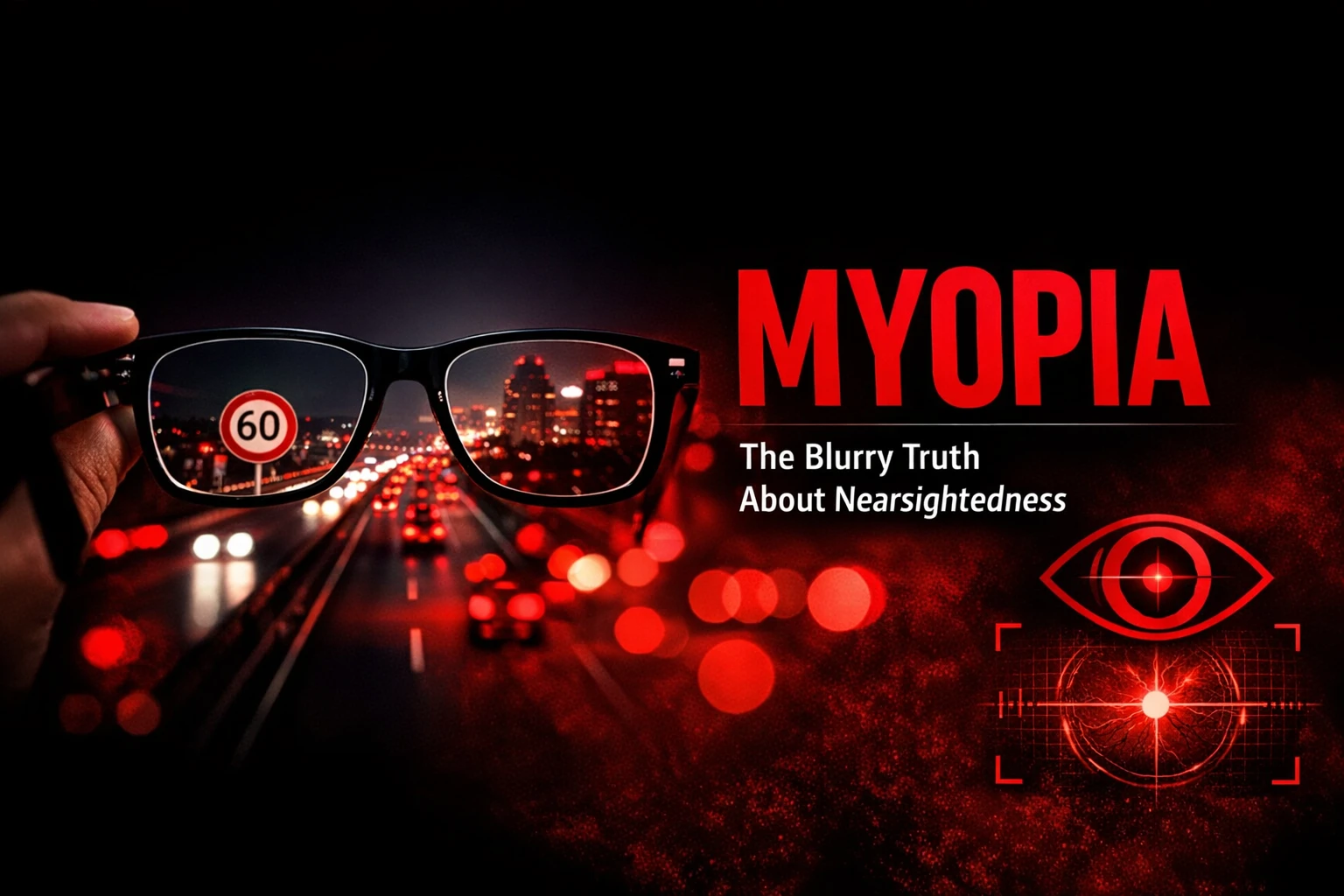
Myopia is a refractive error of the eye in which close objects appear clear, but distant objects look blurred. This happens because light entering the eye focuses in front of the retina instead of directly on it.
In a healthy eye, the cornea and lens bend light precisely so that images land on the retina. In a myopic eye, either the eyeball is too long or the cornea is too curved, causing the focal point to fall short of the retina. The result is blurry distance vision.
Common real‑life examples of myopia include difficulty reading road signs, recognizing faces from far away, or seeing the board clearly in a classroom.
How Common Is Myopia?
Myopia is extremely common and becoming more prevalent every year. In many developed countries, over 40% of the population is affected, and in some parts of East Asia, rates among young adults exceed 80%.
Eye care experts predict that by 2050, nearly half of the world’s population may have myopia. This rapid rise is strongly linked to lifestyle changes such as:
- Increased screen time
- Prolonged near‑work activities
- Reduced exposure to natural daylight
Children are being diagnosed at younger ages than ever before, which increases the likelihood of developing high myopia later in life.
Types of Myopia
Simple Myopia
Simple myopia is the most common form. It typically develops in childhood or adolescence and stabilizes in early adulthood. Vision can usually be corrected fully with glasses, contact lenses, or refractive surgery.
High Myopia
High myopia occurs when the refractive error is severe, usually −6.00 diopters or more. People with high myopia are at a greater risk for serious eye complications later in life.
Pathologic (Degenerative) Myopia
Pathologic myopia is a progressive and potentially sight‑threatening condition. Even with corrective lenses, vision may not be fully clear due to structural damage in the eye, such as retinal degeneration.
Symptoms of Myopia
The symptoms of myopia often develop gradually and may include:
- Blurry distance vision
- Squinting to see clearly
- Frequent headaches
- Eye strain or fatigue
- Difficulty driving at night
Signs of Myopia in Children
Children may not realize their vision is abnormal. Warning signs include:
- Sitting very close to screens
- Holding books close to the face
- Poor academic performance
- Short attention span
- Complaints of headaches
Early detection is critical, as untreated myopia can worsen rapidly during growth years.
What Causes Myopia?
There is no single cause of myopia. Most experts agree it develops due to a combination of genetic and environmental factors.
Genetic Factors
If one or both parents have myopia, the risk for their children increases significantly. Genetics can influence eye shape and growth patterns.
Environmental Factors
Lifestyle plays a major role, especially in children:
- Excessive near work (reading, screens)
- Limited outdoor time
- Poor lighting conditions
Myopia often appears in early childhood and progresses through adolescence before stabilizing.
Risk Factors for Developing Myopia
Several factors increase the likelihood of developing myopia:
- Family history of nearsightedness
- Long hours of screen use
- Intensive academic demands
- Lack of outdoor activity
- Certain ethnic backgrounds
Understanding these risks allows for earlier intervention and better outcomes.
Complications of Myopia
While mild myopia is generally manageable, high or pathologic myopia can lead to serious complications, including:
- Retinal detachment
- Glaucoma
- Cataracts
- Myopic macular degeneration
- Optic nerve damage
These risks make regular eye examinations essential, especially for individuals with high myopia.
Diagnosis and Eye Testing
How Myopia Is Diagnosed
Myopia is diagnosed through a comprehensive eye exam that includes:
- Visual acuity testing
- Retinoscopy
- Refraction testing with a phoropter
Myopia Testing in Children
Children should receive their first eye exam early in life, with regular follow‑ups throughout childhood. Pediatric screenings are vital for catching myopia before it progresses.
Treatment Options for Myopia
Eyeglasses
Eyeglasses are the most common and safest method of correction. Single‑vision lenses are typically sufficient, though older adults may require progressive lenses.
Contact Lenses
Contact lenses provide a wider field of vision and sharper distance clarity for some people, but require careful hygiene.
Orthokeratology (Ortho‑K)
Special contact lenses worn overnight temporarily reshape the cornea, allowing clear vision during the day without lenses.
Refractive Surgery
- LASIK reshapes the cornea using a laser
- PRK removes the surface layer and reshapes the cornea
- LASEK combines elements of LASIK and PRK
Intraocular Lenses
For severe myopia, lens implants may be placed inside the eye, either supplementing or replacing the natural lens.
Outlook and Prognosis
Myopia does not disappear on its own, but it can be effectively managed. Most people with simple myopia live normal lives with proper correction.
High myopia requires lifelong monitoring due to increased risk of complications. Early diagnosis significantly improves long‑term outcomes.
Can Myopia Be Prevented?
Myopia cannot be completely prevented, but its onset and progression may be slowed.
Prevention Strategies
- Increase outdoor time
- Limit continuous screen use
- Follow the 20‑20‑20 rule
- Ensure proper lighting
Some studies suggest that atropine eye drops and special contact lenses may slow progression in children.
Living With Myopia
Daily habits play a major role in protecting long‑term vision:
- Schedule regular eye exams
- Take frequent screen breaks
- Maintain a balanced diet
- Wear protective eyewear when needed
Nutrition and Eye Health
Key nutrients for eye health include:
- Vitamin A for retinal function
- Vitamin C for eye tissue health
- Lutein for blue‑light protection
Whole foods are always preferable to supplements unless otherwise advised by a healthcare provider.
When to See an Eye Doctor
You should see an eye care professional if you notice:
- Sudden vision changes
- Increased floaters or flashes
- Eye pain or pressure
- Rapid progression of nearsightedness
Some symptoms may indicate medical emergencies requiring immediate attention.
Final Thoughts
Myopia is more than just needing glasses—it’s a condition that reflects how modern lifestyles impact eye health. With awareness, early detection, and the right treatment strategy, myopia can be effectively managed.
Protecting your vision today means clearer sight for years to come.