Photochromic Lenses

Photochromic Lenses

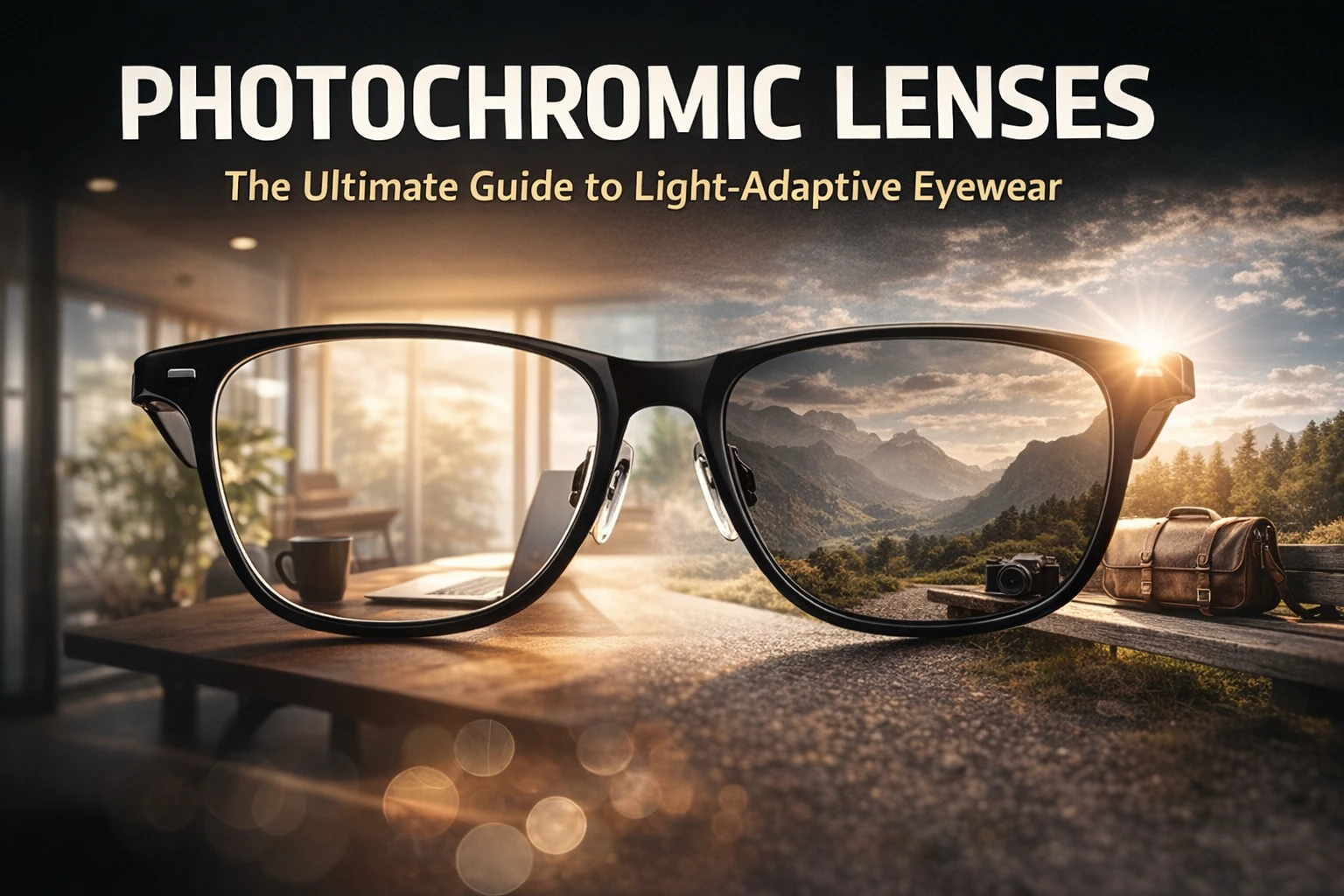
Photochromic lenses have transformed the way people experience vision correction in changing light conditions. These intelligent lenses automatically adapt to their environment, darkening outdoors and returning to clear indoors—offering comfort, protection, and convenience in a single solution.

In today’s world, where eye strain, UV exposure, and lifestyle flexibility matter more than ever, photochromic lenses are no longer a luxury—they are a smart vision choice. This comprehensive guide explores everything you need to know about photochromic lenses, how they work, their benefits, limitations, and who they’re best suited for.

This article is written following strict SEO principles, proper heading hierarchy, and engaging, reader-focused content to keep users scrolling and search engines satisfied.
Photochromic Lenses

What Are Photochromic Lenses?

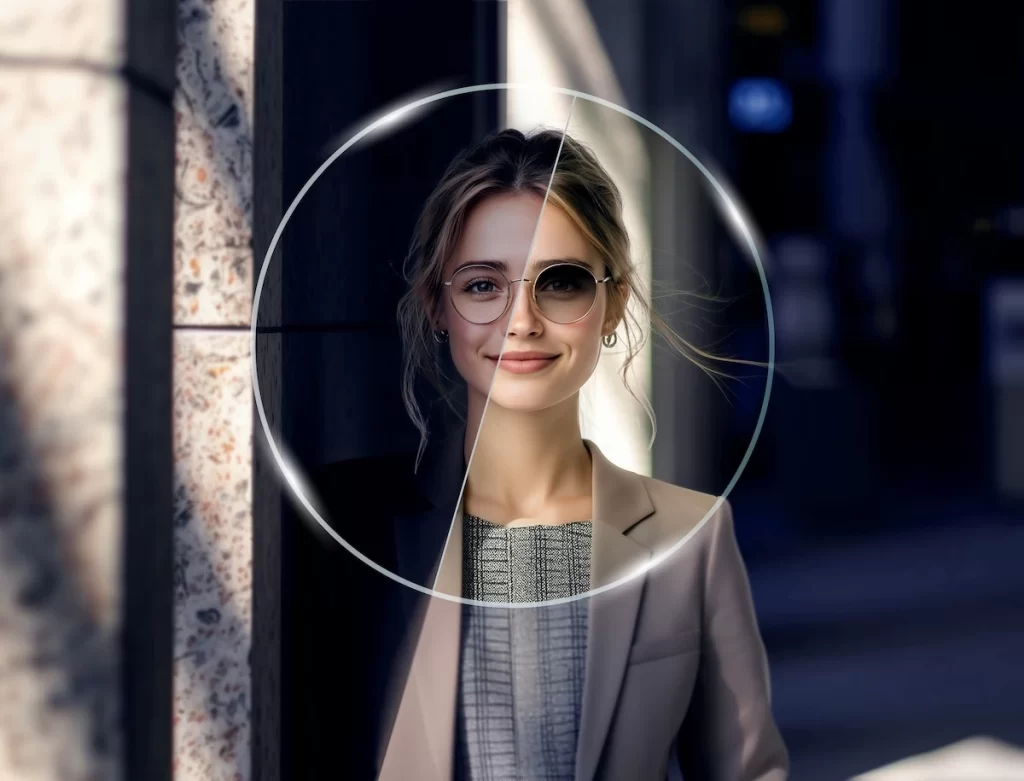
Photochromic lenses are optical lenses that automatically change their tint in response to ultraviolet (UV) light. When exposed to sunlight, they darken; when UV exposure decreases, such as indoors or at night, they gradually return to a clear state.

Unlike traditional sunglasses that must be removed indoors, photochromic lenses provide a seamless transition between lighting conditions, making them ideal for everyday wear.

These lenses are commonly used in eyeglasses and are available in prescription and non-prescription forms.


How Do Photochromic Lenses Work?

The science behind photochromic lenses is both elegant and effective.

Inside the lens material are special photochromic molecules—usually silver halide or organic compounds. When exposed to UV rays, these molecules undergo a chemical reaction that causes them to change structure and absorb light, resulting in a darker tint.

When UV exposure is removed, the molecules return to their original state, and the lenses become clear again.

This process is:

  • Automatic
  • Reversible
  • Repeated thousands of times without losing effectiveness

Types of Photochromic Lenses

Plastic Photochromic Lenses

Most modern photochromic lenses are made from plastic materials, which allow the photochromic technology to be embedded directly into the lens.

Glass Photochromic Lenses

Glass lenses were the first to feature photochromic technology. While they offer excellent optical clarity, they are heavier and less impact-resistant than plastic lenses.

Polarized Photochromic Lenses

These lenses combine photochromic technology with polarization, reducing glare from reflective surfaces such as water, snow, and roads.

Blue Light Photochromic Lenses

Designed for digital lifestyles, these lenses provide indoor blue light filtering while still darkening outdoors.


Benefits of Photochromic Lenses

Photochromic lenses offer a wide range of advantages for daily vision and eye health.

Automatic Light Adaptation

They adjust seamlessly without requiring the wearer to switch glasses.

UV Protection

Most photochromic lenses block 100% of harmful UVA and UVB rays, helping protect the eyes from long-term damage.

Visual Comfort

By reducing brightness and glare, they minimize eye strain and squinting.

Convenience

One pair of glasses works in multiple environments, reducing the need for prescription sunglasses.

Aesthetic Appeal

Modern photochromic lenses are available in various colors and coatings, offering both function and style.


Limitations of Photochromic Lenses

While highly effective, photochromic lenses are not without limitations.

Reduced Activation in Cars

Car windshields block most UV rays, which can prevent lenses from fully darkening while driving.

Temperature Sensitivity

Cold temperatures may cause lenses to darken more, while heat can slow the darkening process.

Transition Time

Although modern lenses are fast, they still require time to darken and clear.

Understanding these limitations helps users set realistic expectations.


Who Should Use Photochromic Lenses?

Photochromic lenses are suitable for a wide range of users, including:

  • People sensitive to light
  • Individuals who spend time both indoors and outdoors
  • Children and teenagers
  • Adults who prefer convenience
  • Patients seeking UV eye protection

They are especially useful for people who want eye protection without carrying multiple pairs of glasses.


Photochromic Lenses vs Sunglasses

While sunglasses provide instant darkness, they lack the versatility of photochromic lenses.

Photochromic lenses:

  • Adapt automatically
  • Can be worn indoors
  • Provide continuous eye protection

Sunglasses:

  • Offer immediate shading
  • May provide stronger tint
  • Require switching

For many users, photochromic lenses serve as an all-in-one solution.


Prescription Compatibility

Photochromic lenses are compatible with most prescriptions, including:

  • Single vision
  • Bifocal
  • Progressive lenses

They can also be combined with anti-reflective, scratch-resistant, and blue light coatings.


Are Photochromic Lenses Safe for Children?

Yes. In fact, many eye care professionals recommend photochromic lenses for children.

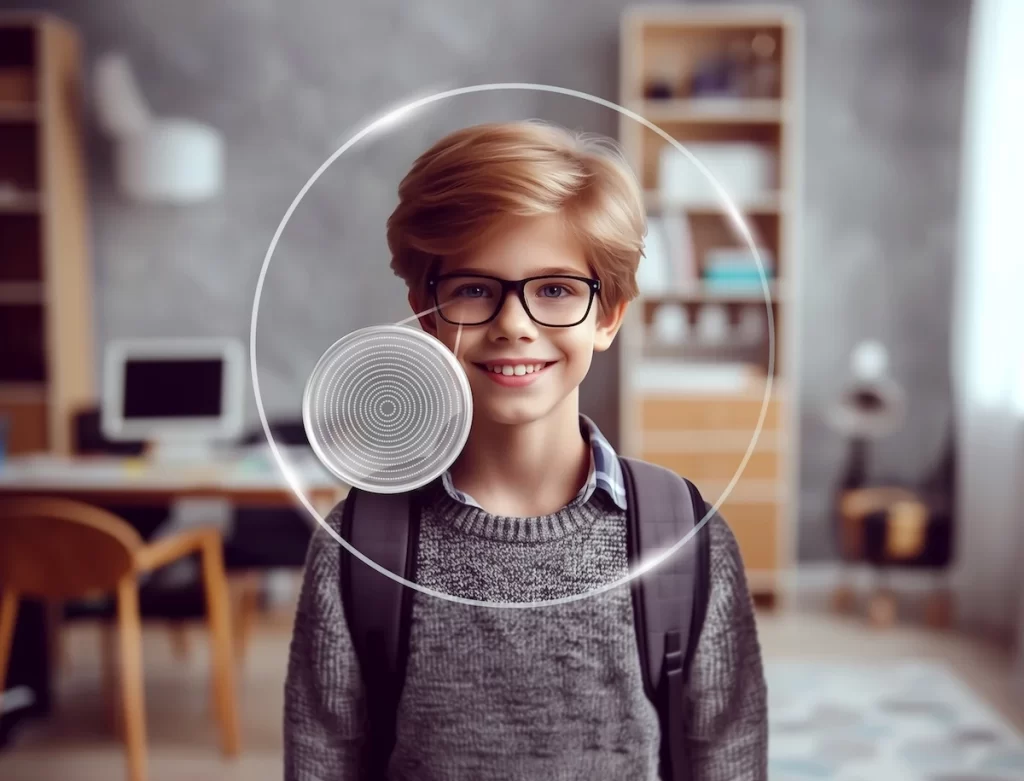
Children’s eyes are more sensitive to UV radiation, and these lenses provide constant protection during outdoor activities while remaining clear indoors for schoolwork.


Caring for Photochromic Lenses

Proper care ensures long-lasting performance:

  • Clean with a microfiber cloth
  • Use lens-safe cleaning solutions
  • Avoid excessive heat exposure
  • Store in a protective case

With good care, photochromic lenses maintain their responsiveness for years.


Cost and Value

Photochromic lenses typically cost more than standard lenses, but they often replace the need for prescription sunglasses, offering long-term value.

Prices vary based on:

  • Lens material
  • Brand
  • Additional coatings

Future of Photochromic Technology

Advancements continue to improve:

  • Faster transition speeds
  • Better performance in vehicles
  • Improved color consistency

As technology evolves, photochromic lenses are becoming more efficient and accessible.


Final Thoughts

Photochromic lenses are a smart, modern solution for dynamic vision needs. By combining convenience, protection, and comfort, they adapt to your lifestyle rather than forcing you to adapt to your eyewear.

For anyone seeking a balance between clear indoor vision and outdoor eye protection, photochromic lenses are an investment in long-term eye health and daily comfort.
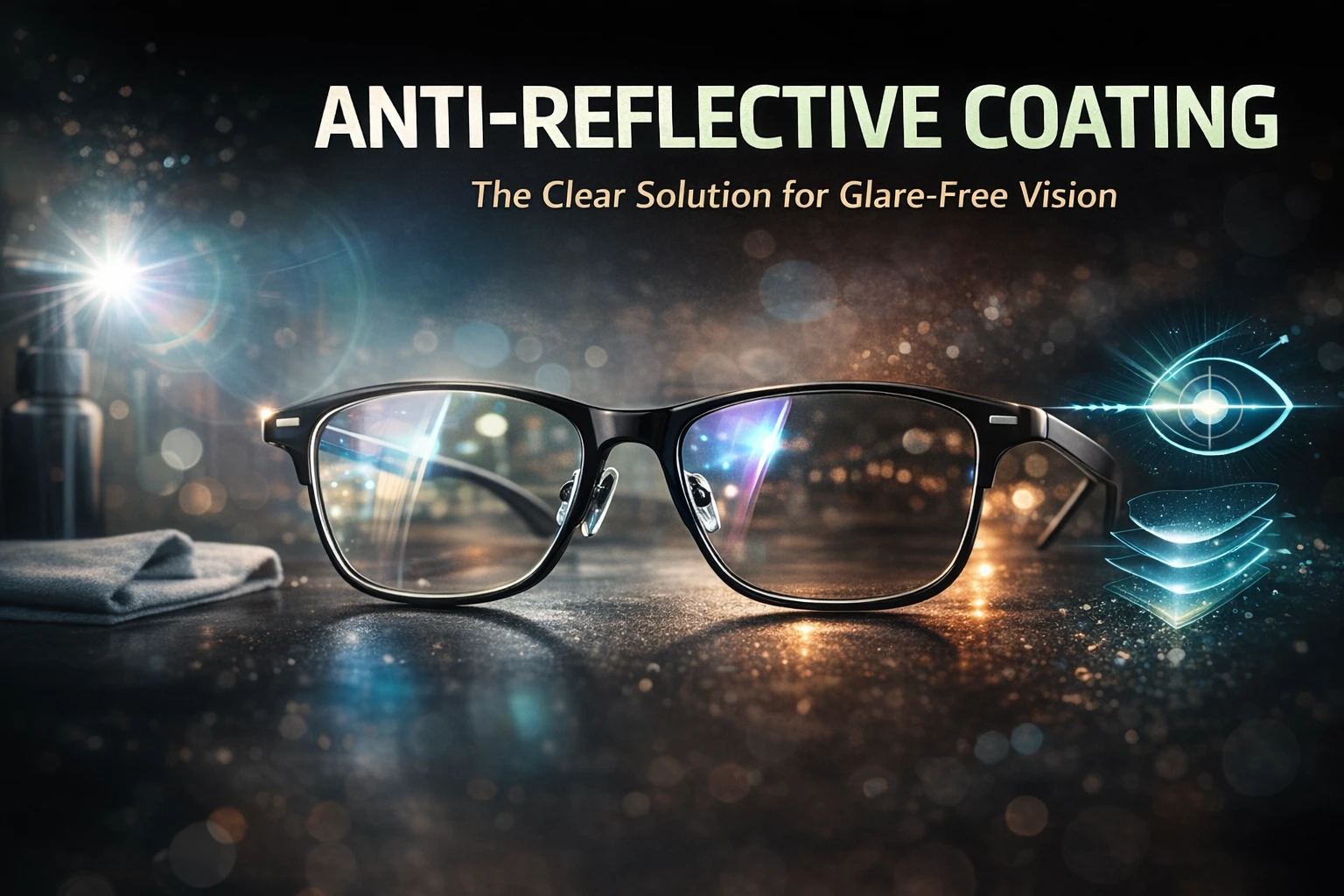
In modern eyewear, clarity is no longer defined only by prescription strength. Visual comfort, reduced glare, and better light transmission all play a critical role in how well you see and how comfortable your eyes feel throughout the day. This is where anti-reflective (AR) coating becomes essential.

Anti-reflective coating is one of the most widely recommended lens enhancements by opticians and eye care professionals worldwide. Whether you drive at night, work long hours in front of digital screens, or simply want your glasses to look better, AR coating can dramatically improve your visual experience.

This comprehensive guide explains everything you need to know about anti-reflective coating for glasses. The content is written in clear, engaging language, structured according to SEO best practices, and designed to keep readers informed and interested from start to finish.


What Is Anti-Reflective (AR) Coating?

Anti-reflective (AR) coating is a thin, multi-layer treatment applied to the surface of eyeglass lenses. Its primary purpose is to reduce reflections and glare by allowing more light to pass through the lens rather than bouncing off its surface.

Standard lenses reflect a noticeable percentage of incoming light, which can cause distracting glare, halos around lights, and reduced visual clarity. AR coating minimizes these reflections on both the front and back surfaces of the lens, resulting in sharper, more comfortable vision.

AR coating is also commonly referred to as anti-glare coating and is available for nearly all lens materials, including plastic, polycarbonate, and high-index lenses.

Anti-Reflective (AR) Coating

How Does Anti-Reflective Coating Work?

The technology behind AR coating is based on optical physics and precise engineering.

AR coatings are made by applying multiple ultra-thin layers of metal oxides to the lens surface. Each layer is engineered to interfere with specific wavelengths of light. When light waves hit the lens, these layers cancel out reflected light waves through a process known as destructive interference.

As a result:

  • Reflections are significantly reduced
  • More light passes through the lens
  • Visual clarity improves in various lighting conditions

Modern AR coatings can allow up to 99.5% of available light to reach the eyes, compared to much lower transmission rates in uncoated lenses.


Key Benefits of Anti-Reflective (AR) Coating

Reduced Glare for Safer Night Driving

Night driving can be particularly challenging due to headlights, streetlights, and reflective road surfaces. AR coating helps by reducing glare and internal reflections that cause visual distractions.

Benefits for night driving include:

  • Fewer halos around headlights
  • Reduced ghost images
  • Less discomfort from blue-tinted LED headlights
  • Faster glare recovery time

These improvements support safer and more confident driving after dark.


Improved Comfort for Screen and Computer Use

Extended screen time is one of the most common causes of eye strain today. Reflections from screens and overhead lighting can worsen symptoms such as:

  • Headaches
  • Blurry vision
  • Dry eyes
  • Visual fatigue

Anti-reflective coating reduces surface reflections on lenses, helping maintain consistent visual performance during long periods of computer or smartphone use. This makes AR-coated lenses especially valuable for office workers, students, and remote professionals.


Clearer, Sharper Vision

By increasing light transmission, AR coating enhances overall visual clarity. Many wearers report that small text, fine details, and low-contrast objects appear easier to see.

In controlled studies conducted under glare or stray-light conditions, participants wearing AR-coated lenses consistently reported better visual comfort and fewer perceived reflections compared to those wearing uncoated lenses.


Better Appearance and Clearer Photos

Anti-reflective coating improves not only how you see, but also how your glasses look.

Without AR coating, lenses can appear shiny or reflective, making it harder to see the wearer’s eyes. This effect becomes more noticeable in photographs, video calls, and social settings.

AR-coated lenses:

  • Reduce visible lens reflections
  • Make eyes more visible behind glasses
  • Improve appearance in photos and videos

For stronger minus prescriptions, AR coating also reduces internal reflections that can cause faint circular patterns along thick lens edges.


Types of Anti-Reflective Coatings

Standard AR Coatings

Basic AR coatings focus primarily on reducing glare and reflections. They improve clarity but may require more careful handling.

Premium AR Coatings

High-quality AR coatings often include additional features such as:

  • Scratch resistance
  • Smudge resistance
  • Anti-fog properties
  • Easier cleaning

These coatings are designed for longer durability and better everyday performance.

Blue-Light Filtering AR Coatings

Some AR coatings are designed to filter blue-violet light emitted by digital screens. While research is ongoing, many optometrists consider these coatings safe and potentially beneficial for people with heavy screen exposure.


How to Choose the Right Anti-Reflective Coating

Not all AR coatings are the same. Each manufacturer uses a unique formula with varying numbers of layers and added features.

High-quality AR coatings may include up to seven ultra-thin layers, each targeting different wavelengths of light. Despite this complexity, the total thickness of the coating is extremely small—typically around 0.2 to 0.3 microns.

Your optician may recommend a specific AR coating based on:

  • Your prescription strength
  • Lens material
  • Daily activities
  • Screen usage habits
  • Night driving needs

Factors to Consider Before Choosing AR Coating

Lens Material

Certain lens materials, such as polycarbonate and high-index lenses, naturally reflect more light. These lenses benefit the most from AR coating.

Prescription Type

Progressive, bifocal, and trifocal lenses often perform better with AR coating, as it improves clarity across multiple viewing zones.

Lifestyle

If you frequently drive at night, work on digital devices, or appear on camera, AR coating can significantly enhance comfort and appearance.


Factory-Applied vs Lab-Applied AR Coatings

Some lenses come with factory-applied AR coating on both surfaces, while others receive the coating after being customized to your prescription in an optical lab.

Both methods are effective when done correctly, but premium lab-applied coatings often allow for more customization based on individual needs.


How to Clean and Care for AR-Coated Lenses

Proper care is essential to maintain the performance of anti-reflective coatings.

Best practices include:

  • Use only lens cleaners recommended by your optician
  • Rinse lenses with water before wiping
  • Clean with a microfiber cloth
  • Avoid harsh chemicals or paper products

Never clean dry AR-coated lenses with a dry cloth, as this can cause fine scratches that are more visible on coated surfaces.


Is Anti-Reflective Coating Worth It?

Whether AR coating is worth the investment depends on your visual needs and lifestyle. While the coating can wear over time, proper care supports long-lasting performance.

Many wearers find premium AR coatings especially valuable due to their added durability, scratch resistance, and ease of cleaning. For people who rely on their glasses throughout the day, AR coating is often considered a worthwhile upgrade.


Frequently Asked Questions About AR Coating

How Can I Tell If My Glasses Have AR Coating?

Look at your lenses from an angle. AR-coated lenses usually reflect a soft green, blue, or yellow-green hue instead of a strong white glare.

Does AR Coating Block Blue Light?

Some AR coatings include blue-violet light filtering as an additional feature. While their long-term benefits are still being studied, they are considered safe and commonly recommended.

How Long Does Anti-Reflective Coating Last?

Most AR coatings are designed to last the lifespan of your lenses. However, prescriptions typically change every one to two years, making regular eye exams important.


Final Thoughts

Anti-reflective coating is one of the most impactful enhancements you can add to your eyeglass lenses. By reducing glare, improving clarity, and enhancing appearance, AR coating supports both visual performance and everyday comfort.

For anyone seeking clearer vision, safer night driving, and better screen comfort, anti-reflective coating is a smart and practical investment in eye health.

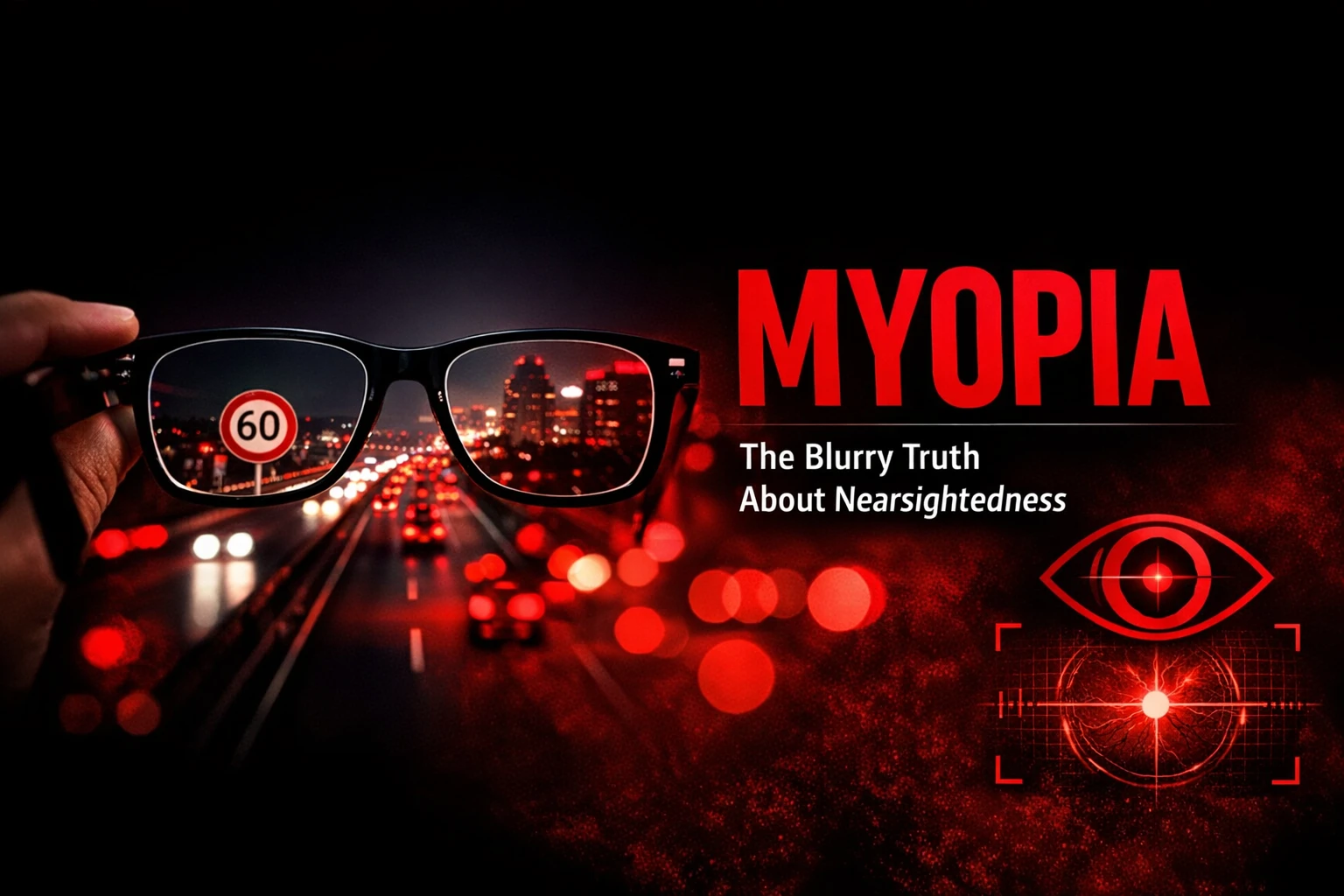
Myopia, commonly known as nearsightedness, is one of the most widespread vision conditions in the modern world. With the rapid growth of digital lifestyles, increased screen exposure, and reduced outdoor activity, myopia has become a global public health concern rather than a minor vision inconvenience.

In this in‑depth guide, you’ll learn exactly what myopia is, why it happens, how common it is, who is at risk, and what modern medicine can do to manage or slow its progression. This article is written using SEO best practices, structured headings, and engaging storytelling to keep you reading while delivering real value.

If you’re a parent, a student, a professional, or simply someone who cares about long‑term eye health, this guide will give you a clear and practical understanding of myopia.


What Is Myopia?

Myopia is a refractive error of the eye in which close objects appear clear, but distant objects look blurred. This happens because light entering the eye focuses in front of the retina instead of directly on it.

In a healthy eye, the cornea and lens bend light precisely so that images land on the retina. In a myopic eye, either the eyeball is too long or the cornea is too curved, causing the focal point to fall short of the retina. The result is blurry distance vision.

Common real‑life examples of myopia include difficulty reading road signs, recognizing faces from far away, or seeing the board clearly in a classroom.

Myopia (Nearsightedness)

How Common Is Myopia?

Myopia is extremely common and becoming more prevalent every year. In many developed countries, over 40% of the population is affected, and in some parts of East Asia, rates among young adults exceed 80%.

Eye care experts predict that by 2050, nearly half of the world’s population may have myopia. This rapid rise is strongly linked to lifestyle changes such as:

  • Increased screen time
  • Prolonged near‑work activities
  • Reduced exposure to natural daylight

Children are being diagnosed at younger ages than ever before, which increases the likelihood of developing high myopia later in life.


Types of Myopia

Simple Myopia

Simple myopia is the most common form. It typically develops in childhood or adolescence and stabilizes in early adulthood. Vision can usually be corrected fully with glasses, contact lenses, or refractive surgery.

High Myopia

High myopia occurs when the refractive error is severe, usually −6.00 diopters or more. People with high myopia are at a greater risk for serious eye complications later in life.

Pathologic (Degenerative) Myopia

Pathologic myopia is a progressive and potentially sight‑threatening condition. Even with corrective lenses, vision may not be fully clear due to structural damage in the eye, such as retinal degeneration.


Symptoms of Myopia

The symptoms of myopia often develop gradually and may include:

  • Blurry distance vision
  • Squinting to see clearly
  • Frequent headaches
  • Eye strain or fatigue
  • Difficulty driving at night

Signs of Myopia in Children

Children may not realize their vision is abnormal. Warning signs include:

  • Sitting very close to screens
  • Holding books close to the face
  • Poor academic performance
  • Short attention span
  • Complaints of headaches

Early detection is critical, as untreated myopia can worsen rapidly during growth years.


What Causes Myopia?

There is no single cause of myopia. Most experts agree it develops due to a combination of genetic and environmental factors.

Genetic Factors

If one or both parents have myopia, the risk for their children increases significantly. Genetics can influence eye shape and growth patterns.

Environmental Factors

Lifestyle plays a major role, especially in children:

  • Excessive near work (reading, screens)
  • Limited outdoor time
  • Poor lighting conditions

Myopia often appears in early childhood and progresses through adolescence before stabilizing.


Risk Factors for Developing Myopia

Several factors increase the likelihood of developing myopia:

  • Family history of nearsightedness
  • Long hours of screen use
  • Intensive academic demands
  • Lack of outdoor activity
  • Certain ethnic backgrounds

Understanding these risks allows for earlier intervention and better outcomes.


Complications of Myopia

While mild myopia is generally manageable, high or pathologic myopia can lead to serious complications, including:

  • Retinal detachment
  • Glaucoma
  • Cataracts
  • Myopic macular degeneration
  • Optic nerve damage

These risks make regular eye examinations essential, especially for individuals with high myopia.


Diagnosis and Eye Testing

How Myopia Is Diagnosed

Myopia is diagnosed through a comprehensive eye exam that includes:

  • Visual acuity testing
  • Retinoscopy
  • Refraction testing with a phoropter

Myopia Testing in Children

Children should receive their first eye exam early in life, with regular follow‑ups throughout childhood. Pediatric screenings are vital for catching myopia before it progresses.


Treatment Options for Myopia

Eyeglasses

Eyeglasses are the most common and safest method of correction. Single‑vision lenses are typically sufficient, though older adults may require progressive lenses.

Contact Lenses

Contact lenses provide a wider field of vision and sharper distance clarity for some people, but require careful hygiene.

Orthokeratology (Ortho‑K)

Special contact lenses worn overnight temporarily reshape the cornea, allowing clear vision during the day without lenses.

Refractive Surgery

  • LASIK reshapes the cornea using a laser
  • PRK removes the surface layer and reshapes the cornea
  • LASEK combines elements of LASIK and PRK

Intraocular Lenses

For severe myopia, lens implants may be placed inside the eye, either supplementing or replacing the natural lens.


Outlook and Prognosis

Myopia does not disappear on its own, but it can be effectively managed. Most people with simple myopia live normal lives with proper correction.

High myopia requires lifelong monitoring due to increased risk of complications. Early diagnosis significantly improves long‑term outcomes.


Can Myopia Be Prevented?

Myopia cannot be completely prevented, but its onset and progression may be slowed.

Prevention Strategies

  • Increase outdoor time
  • Limit continuous screen use
  • Follow the 20‑20‑20 rule
  • Ensure proper lighting

Some studies suggest that atropine eye drops and special contact lenses may slow progression in children.


Living With Myopia

Daily habits play a major role in protecting long‑term vision:

  • Schedule regular eye exams
  • Take frequent screen breaks
  • Maintain a balanced diet
  • Wear protective eyewear when needed

Nutrition and Eye Health

Key nutrients for eye health include:

  • Vitamin A for retinal function
  • Vitamin C for eye tissue health
  • Lutein for blue‑light protection

Whole foods are always preferable to supplements unless otherwise advised by a healthcare provider.


When to See an Eye Doctor

You should see an eye care professional if you notice:

  • Sudden vision changes
  • Increased floaters or flashes
  • Eye pain or pressure
  • Rapid progression of nearsightedness

Some symptoms may indicate medical emergencies requiring immediate attention.


Final Thoughts

Myopia is more than just needing glasses—it’s a condition that reflects how modern lifestyles impact eye health. With awareness, early detection, and the right treatment strategy, myopia can be effectively managed.

Protecting your vision today means clearer sight for years to come.

Related Posts

Anti-Reflective (AR) Coating

Anti-Reflective (AR) Coating

In modern eyewear, clarity is no longer defined only by prescription strength. Visual comfort, reduced glare, and better light transmission all play a critical role in how well you see and how comfortable your eyes feel throughout the day. This is where anti-reflective (AR) coating becomes essential. Anti-reflective coating is one of the most widely […]

Photochromic Lenses

Photochromic Lenses

Photochromic lenses have transformed the way people experience vision correction in changing light conditions. These intelligent lenses automatically adapt to their environment, darkening outdoors and returning to clear indoors—offering comfort, protection, and convenience in a single solution. In today’s world, where eye strain, UV exposure, and lifestyle flexibility matter more than ever, photochromic lenses are […]

Myopia (Nearsightedness)

Myopia (Nearsightedness)

Myopia, commonly known as nearsightedness, is one of the most widespread vision conditions in the modern world. With the rapid growth of digital lifestyles, increased screen exposure, and reduced outdoor activity, myopia has become a global public health concern rather than a minor vision inconvenience. In this in‑depth guide, you’ll learn exactly what myopia is, […]